
How To Budget For International Travel: Essential Tips You Need
Planning a trip abroad? Whether we’re dreaming of sipping espresso in Italy or lounging on a beach in Thailand, budgeting for international travel can feel like juggling flaming torches while riding a unicycle. But fear not. With a little guidance, we can navigate the expenses without burning our wallets. Let’s arm ourselves with some killer tips and tricks to make our travel dreams a reality, without selling a kidney in the process.
How To Budget For International Travel
Traveling internationally is exciting, yet it can come with a hefty price tag if we don’t plan wisely. Let’s break down the key expenses we need to consider for a comprehensive travel budget.
Key Expenses to Consider
When we think about traveling, several common expenses come to mind. We need to factor in transportation, accommodation, food, and activities. Each can significantly alter our overall travel budget if not accounted for properly.
Transportation Costs
Transportation can vary greatly based on our destination. Flight prices fluctuate like the stock market: booking in advance often nets us the best deals. Once we land, local transportation costs, like taxis, trains, or rental cars, can also add up. We should research various options to see what fits our plan and pocketbook.
Accommodation Expenses
From luxury hotels to hostels, our choices will either pamper us or make our wallets cry. Often, we find that mid-range hotels or vacation rentals can balance comfort and cost effectively. Sites offering unique stays might even help us save while immersing ourselves in local culture.
Food and Daily Expenses
Eating like a local is a travel highlight, but we need to budget wisely. Street food can be delicious and cheap, while high-end restaurants might leave our wallets feeling significantly lighter. We should tally up a daily food budget beforehand to keep us from overspending.
Activities and Attractions Budget
Finally, we can’t forget about the activities that make our trip memorable. Entrance fees to museums, guided tours, and adventure sports like scuba diving or zip-lining can add up quickly. Setting aside a specific amount for experiences will help us avoid splurging last-minute on overpriced attractions.
Creating Your Travel Budget
Once we understand the costs associated with our trip, it’s time to jump into creating our travel budget. This is where things get a little more focused.
Step 1: Set Your Travel Goals
Before we pound the pavement or hit the virtual road? Let’s define our travel goals. Are we aiming for luxury, adventure, or a cultural immersion? Knowing our priorities will guide our budgeting process effectively.
Step 2: Research Destination-Specific Costs
Next, we must do our assignments. Each country has its own cost of living. Resources such as travel blogs, forums, and cost calculators can equip us with the information we need to estimate expenses accurately. We should document these figures to refer back to them as we plan.
Step 3: Create a Detailed Budget Plan
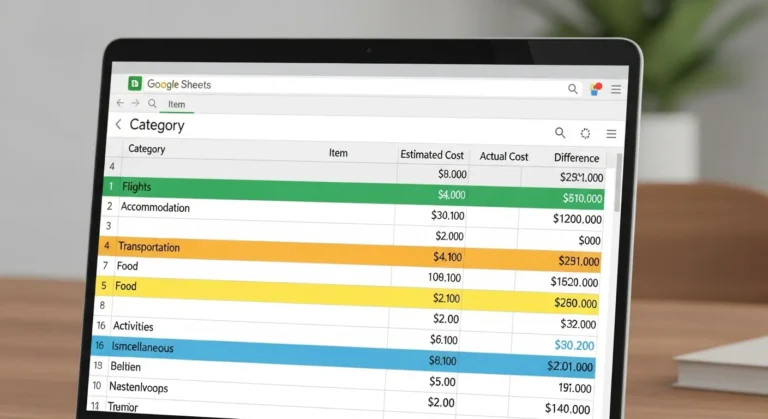
Now it’s time to build our budget. We can categorize our expenses based on transportation, accommodation, food, and activities. Using budgeting apps or spreadsheets can help us visualize our spending and keep everything organized. It’s crucial we stick to this plan as we move forward.
Tips for Sticking to Your Travel Budget
Even with a detailed budget in hand, we might find ourselves straying off course. Here are some strategies to help us stay budget-conscious and focused on our travel goals.
Track Your Spending
As we travel, keeping tabs on our expenses is essential. Using apps designed for tracking spending can show where we might overspend and areas we can cut back. We should aim to review our spending regularly to avoid surprises at the end of our trip.
Be Flexible with Your Plans
Sometimes, our dream activities might not fit our budget. Being open to alternatives can help. Instead of a pricey tour, maybe there’s a free walking tour available or a scenic hike that offers spectacular views without a high cost. Flexibility can be a budget-saver.
Look for Discounts and Deals
We should always be on the lookout for discounts. Whether it’s online coupons, travel packages, or seasonal deals, these savings can significantly impact our travel budget. Signing up for newsletters from travel sites can keep us updated on the best deals as we plan.